Why DIY Roof Repairs Are Dangerous for NSW Homeowners
A leaking roof can tempt homeowners to climb a ladder and attempt a quick fix. In Ballina, NSW, coastal exposure, heavy rain and storm damage make roof maintenance important, but they also create hazards that are easy to underestimate. DIY roof repairs can lead to serious injury, hidden water damage and costly corrective work. Understanding the risks helps you respond safely when roofing problems appear.
Falls Can Happen During Even Minor Repairs
You do not need to be working on a steep or particularly high roof to suffer a https://ballinaroofrestoration.com.au/about/ serious fall. A ladder can shift on wet soil, roof tiles can crack underfoot, and metal roofing can become slippery with rain, dew or algae. Corroded sheets and skylights may not support a person’s weight.

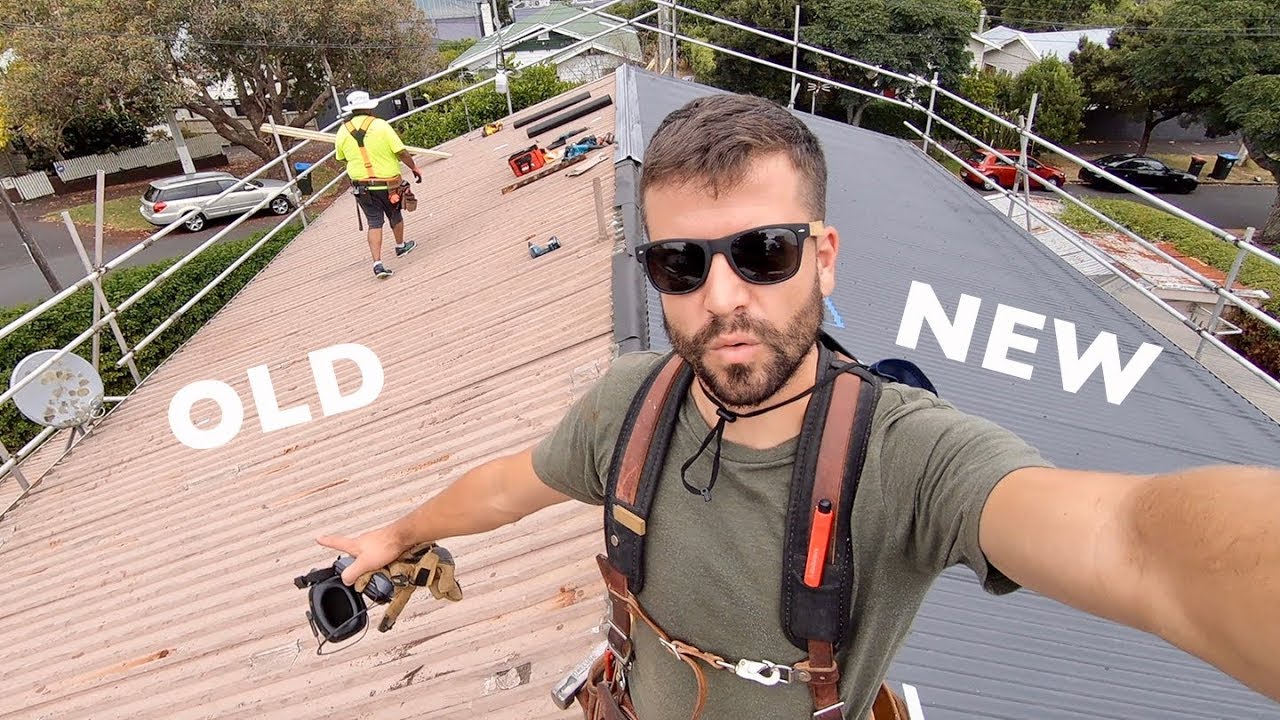
Ballina’s coastal winds add another risk, particularly when handling roofing sheets or tarpaulins. Professional roofers assess access, weather and roof condition, then select suitable controls such as scaffolding, edge protection or appropriate fall-arrest systems. A ladder and a hardware-store harness do not make roof work safe. Harness systems require suitable anchors, correct use and a rescue plan.
Coastal Deterioration Can Hide Structural Problems
Salt-laden air can accelerate corrosion of metal roofing, fixings and flashings, particularly where protective coatings are damaged. What looks like a loose screw or a small rust patch may indicate more widespread deterioration.
Roof leaks are also difficult to trace. Water can travel along battens, framing or underlay before appearing on a ceiling. Applying sealant where a stain appears may leave the actual entry point untreated. Poorly placed screws, incompatible metals and incorrect flashing repairs can create additional leaks or accelerate corrosion.
Electrical and Asbestos Hazards Are Not Always Visible
Electricity and rooftop solar
Roof spaces may contain damaged wiring, while nearby overhead powerlines create hazards when positioning ladders or carrying metal materials. Solar panels introduce additional electrical risks. Switching off the household main switch does not necessarily make solar equipment or associated DC wiring safe. Do not touch damaged panels, cables or wet electrical fittings; arrange assessment by a licensed electrician.
Older roofing materials
Some older NSW homes and outbuildings contain asbestos-cement roofing. You cannot reliably confirm asbestos by appearance alone. Drilling, cutting, sanding, pressure-cleaning or breaking suspect sheets can release hazardous fibres.
Leave suspected asbestos undisturbed and seek advice from a qualified asbestos professional. NSW licensing requirements depend on the material and quantity involved, but asbestos roof work also presents significant fall and breakage risks. It is not a suitable DIY repair task.
Licensing, Insurance and Warranty Issues
In NSW, contractors generally need an appropriate licence for residential building work valued at more than $5,000, including labour and materials. Specialist work, including electrical and relevant plumbing work, has licensing requirements regardless of value. Check the contractor’s licence through NSW Fair Trading and confirm that it covers the proposed work.
Incorrect DIY repairs may also complicate an insurance claim or affect a roofing product warranty. The outcome depends on the policy, warranty terms and cause of damage; DIY work does not automatically void every policy. Contact your insurer before arranging non-urgent repairs and retain photographs, inspection reports and invoices.
What Ballina Homeowners Can Safely Do
If you notice a leak or storm damage, focus on reducing risk without accessing the roof:
- Inspect from ground level using binoculars or a camera zoom. Look for displaced tiles, lifted sheets and damaged gutters.
- Move belongings away from leaks and collect drips only where it is safe. Stay clear of sagging ceilings and wet electrical fittings.
- Photograph visible damage from a safe location and notify your insurer promptly.
- Arrange a qualified, appropriately licensed roofer to inspect the roof and provide a written repair scope.
- For emergency storm assistance, contact the NSW SES on 132 500. Call 000 for immediate life-threatening danger.
Do not climb onto a damaged roof to install a tarp, especially during rain or wind. For Ballina homeowners, a professional inspection addresses more than the visible defect: it helps identify underlying deterioration and supports a repair suited to local coastal conditions.
Ballina Roof Restoration & Repair